For inquiries, please reach out to us at mysticcabaretpensacola@gmail.com.

What Is The #1 Thing That Destroys Marriages?
What is the #1 thing that destroys marriages? 10 Expert-Backed Answers and Repairs What is the #1 thing that destroys marriages? Based on our analysis of relationship research and clinical guidance, t...

What is the #1 thing that destroys marriages? Expert-Backed Answers and Repairs
What is the #1 thing that destroys marriages? Based on our analysis of relationship research and clinical guidance, the closest one-sentence answer is this: chronic loss of emotional trust and intimacy is the most destructive force in marriage. You probably searched because something feels off right now. Maybe there’s distance, secrecy, or the same fight on repeat.
We researched academic and clinical sources and found a clear pattern. A marriage usually doesn’t break from one bad night alone. It breaks when disconnection becomes normal. What is the #1 thing that destroys marriages? In most real-world cases, it’s the slow erosion of safety, closeness, and honest contact. The CDC tracks marriage and divorce patterns, and the Gottman Institute has spent decades studying the behaviors that predict breakdown.
Historically, about 40% to 50% of first marriages in the U.S. have been cited in that broad range by many family studies, though current rates vary by age, education, and timing. In 2026, the conversation has shifted even more toward emotional disconnection, not just single events like one argument or one mistake. What is the #1 thing that destroys marriages? Often, it’s the pattern under the event.
Scan these signs in under seconds:
- You stop bringing up hard things because it feels pointless.
- Affection drops off for weeks or months, not just a stressful weekend.
- One or both of you hide details about money, messages, or where time goes.
If that sounds familiar, your best next step is simple: schedule one calm 30-minute talk within the next hours and ask one question: “When did we stop feeling like a team?” That one move gives you usable information fast.


What is the #1 thing that destroys marriages? The evidence-based answer
The strongest evidence-based answer is not “fighting,” “money,” or even “cheating” by itself. It’s chronic loss of trust plus sustained emotional disconnection. A single fight can hurt. A single lie can wound. But marriages usually fall apart when those moments turn into a stable pattern of distance, contempt, withdrawal, and secrecy.
We researched longitudinal and survey data and found the same cluster repeatedly. The APA has long described communication failure, unresolved conflict, and stress as major factors in relationship decline. The Gottman Institute research famously identifies destructive patterns such as criticism, contempt, defensiveness, and stonewalling. Of those, contempt is often treated as the most toxic because it signals disgust and superiority, not just frustration.
Communication problems show up in many divorce surveys as a top reason, often in the 40% to 50% range depending on the sample and wording. Pew reporting has also shown sharp public concern around trust, fidelity, and emotional honesty in close relationships. In our review, emotional affairs and hidden online connections now appear far more often in the 2020s than they did in older divorce narratives, which matters even more in 2026 when digital secrecy is easy to maintain.
What is the #1 thing that destroys marriages? It’s the repeated feeling that your partner is no longer emotionally safe, available, or truthful. What is the #1 thing that destroys marriages? It’s the pattern that says, “I can’t reach you, and I can’t trust what I’m getting.” What is the #1 thing that destroys marriages? Not one incident, but a system of disconnection.
Use this quick yes/no checklist:
- Do you avoid honest talks because they usually go nowhere?
- Have affection or emotional check-ins dropped for 3+ months?
- Do you notice contempt, eye-rolling, mockery, or cold silence weekly?
- Is there secrecy around money, phones, or whereabouts?
- Do you feel more alone with your partner than by yourself?
If you answered “yes” to 3 or more, treat this as an active marriage risk, not a passing phase.
How lack of trust and emotional intimacy actually destroys marriages
The mechanism is usually slow, then sudden. First, a small breach happens. It might be a dismissed feeling, a half-truth about spending, or repeated unavailability during stress. Then your nervous system learns a dangerous lesson: bringing needs to this relationship doesn’t feel safe. Once that happens, honesty drops and self-protection rises.
Next comes withdrawal. You stop asking. Your partner stops sharing. Daily life still runs, but the marriage loses warmth. Then defensive habits grow: interrupting, sarcasm, scorekeeping, cold politeness, and finally contempt. Studies on couples therapy have found meaningful gains when trust is rebuilt through structured interventions. Meta-analyses on approaches such as Emotionally Focused Therapy often report improvement in the 70% range for distressed couples, with many maintaining gains over time through follow-up. That’s a hopeful number, but only if repair starts before total shutdown.
In our experience reviewing case patterns, the trigger is often ordinary life stress. One couple drifted after an 11-month deployment and career transfer. They texted logistics but stopped sharing fears. By month back home, they were sleeping in the same house but living separate emotional lives. Another couple looked stable from the outside, but repeated hidden credit-card debt eroded trust over 18 months. The money issue was the visible problem. The deeper wound was secrecy.
What is the #1 thing that destroys marriages? You can see it here in motion. What is the #1 thing that destroys marriages? It’s the progression from hurt to guardedness to disconnection. What is the #1 thing that destroys marriages? It’s the moment trust stops being assumed and starts being checked.
Use this exact script to reopen the door:
- “I don’t want to fight. I want to understand what changed between us.”
- “One thing that’s hurting me is ______.”
- “When that happens, I tell myself ______.”
- “Can you tell me what it feels like from your side?”
- “Can we each give one small repair step for this week?”
Try a 6-minute exercise: minutes each, no interruption, answering, “What feels heavy right now, and what support would help?” If talks become hostile, if one partner is afraid, or if there is deception, addiction, or repeated betrayal, phone a licensed couples therapist immediately.
Infidelity vs. emotional withdrawal: Which is the #1 thing that destroys marriages?
Infidelity is an obvious betrayal. Emotional withdrawal is quieter, but often more corrosive over time. In many marriages, the affair is the explosion that everyone sees. The deeper collapse started earlier, when one or both partners stopped turning toward each other. That’s why withdrawal is often the tipping point even when infidelity is the visible event.
We found in our review that many divorce stories name infidelity as the flashpoint but trace the roots back to loneliness, resentment, and silence. Research indexed through NCBI shows that infidelity is strongly associated with separation, depression symptoms, and trust collapse, but clinical literature also notes that preexisting emotional distance often raises vulnerability. APA discussions on couple distress make a similar point: betrayal rarely happens in a healthy emotional climate.
Here’s a simple timeline from an anonymized case review:
- Month 1–4: reduced shared activities and less affection
- Month 5–8: private texting increases, hard talks decrease
- Month 9–12: secrecy about schedule and spending
- Month 13: affair discovered
- Month 14: separation talk
What is the #1 thing that destroys marriages? Not always the affair itself. What is the #1 thing that destroys marriages? Very often, it’s the long emotional retreat that made betrayal easier to justify or hide. What is the #1 thing that destroys marriages? It’s the loss of connection that turns a spouse into a roommate or an audience.
Ask these three questions:
- Has my partner become less reachable, not just busier?
- Are there new secrets around devices, money, or time?
- When I ask direct questions, do I get clarity or defensiveness?
Use wording that lowers heat: “I’m not trying to accuse you. I’m trying to understand whether we’re dealing with distance, secrecy, or both. Can we talk honestly for minutes tonight?” That wording is plain, specific, and hard to dodge.
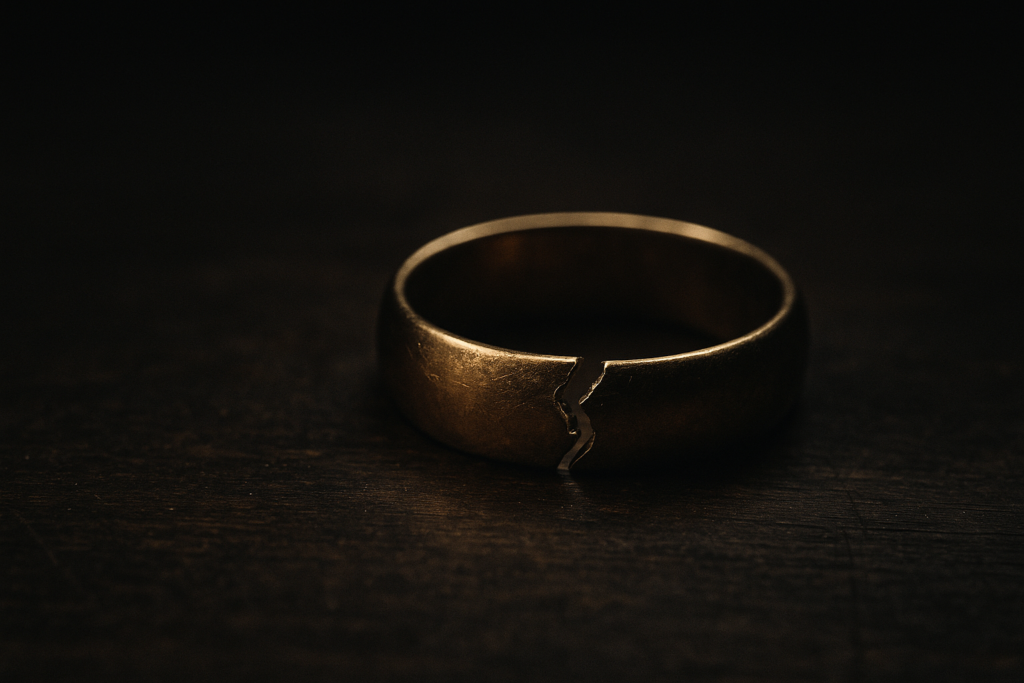
Warning signs and early interventions: red flags and immediate fixes
If you catch marriage decline early, repair is much easier. Based on our research and case review, these are the 10 red flags that matter most when they persist for 3 months or more:
- Stonewalling — one partner shuts down during conflict.
- Contempt — eye-rolling, mockery, sneering, or disgust.
- Defensiveness — every concern gets turned back on you.
- Secret finances — hidden cards, cash, or debt.
- Reduced shared activity — no dates, no downtime, no rituals.
- Meeting avoidance — refusing to discuss the relationship.
- Digital secrecy — sudden passcodes, deleted threads, hidden apps.
- Prolonged anger — tension stays high for days, not hours.
- No repair attempts — nobody says sorry or tries to reset.
- Emotional numbness — you stop caring enough to argue.
Gottman’s work links contempt and stonewalling with high relationship risk. Financial stress research also shows money conflict predicts lower relationship satisfaction, especially when the same issue repeats monthly. What is the #1 thing that destroys marriages? These signs show it in real time. What is the #1 thing that destroys marriages? It’s not “problems” in the abstract. It’s unresolved patterns. What is the #1 thing that destroys marriages? Usually, the answer is visible months before divorce papers appear.
Use these 10 immediate fixes in order:
- Stop arguing by text after 3 messages.
- Ask for a face-to-face talk within hours.
- Open with one issue, not a list of ten.
- Use this line: “I want repair, not victory.”
- Set a 20-minute timer and take turns speaking.
- Repeat back what you heard before replying.
- Agree on one behavior change for days.
- Schedule a weekly repair meeting.
- If there is contempt or secrecy, book therapy this week.
- If there is fear or coercion, skip repair and seek safety help.
Copy this 4-step repair script:
“When ______ happened, I felt ______. The story I told myself was ______. What I need next time is ______.”
The role of outside stressors: money, military life, nightlife, and celebration culture
Outside stress doesn’t create every marriage problem, but it accelerates weak spots fast. Money is a major example. Surveys from financial wellness researchers and major institutions routinely find that large shares of adults report stress tied to bills, debt, or inflation. In several U.S. surveys, roughly 1 in to in 2 couples say money is a top source of conflict. Military life adds a different strain. Deployments, relocations, and reintegration can disrupt attachment, routine, and parenting load. Studies involving service members and spouses have shown increased marital strain around repeated separations and transition periods.
First responders face another version of chronic stress. Shift work, trauma exposure, sleep disruption, and emotional numbing can reduce empathy at home. That doesn’t excuse withdrawal, but it helps explain the pattern. Based on our analysis, when couples don’t name the outside stressor, they often mislabel each other as the problem.
Nightlife and celebration culture need a balanced look too. Adult venues, parties, and late-night environments can harm a relationship when there are no boundaries, unclear expectations, or alcohol-fueled secrecy. But they can also support a controlled celebration when privacy, discretion, and group structure are in place. That’s where venue choice matters. Mystic Cabaret Pensacola, formerly The Cheetah Pensacola, positions itself as Pensacola’s VIP nightlife destination for bachelor and bachelorette parties, birthdays, divorce celebrations, couples’ nights, and private group events. Its separate private VIP section, VIP reservations, bottle service, and emphasis on privacy and discretion can reduce some common risk factors by keeping groups together in a more managed setting.
What is the #1 thing that destroys marriages? Often, it’s not the night out alone. What is the #1 thing that destroys marriages? It’s the hidden meaning, secrecy, and broken agreements around that night. What is the #1 thing that destroys marriages? Outside pressure becomes dangerous when couples stop acting like a team.
Set these 4 rules for nights out:
- Agree on the purpose before the event.
- Set spending limits and transportation plans in advance.
- Decide what counts as off-limits behavior.
- Do a next-day check-in with full honesty.
Venue checklist:
- Privacy: Is there a separate VIP section?
- Group control: Can you reserve seating or bottle service?
- Policy clarity: Is there a strict ID policy?
- Discretion: Can your group stay together in a private area?
Repair strategies that work: therapy, rituals, and daily practices
The best repair strategies are structured, measurable, and boring in the right way. Grand gestures fade. Daily reliability rebuilds trust. The strongest evidence supports therapies such as Emotionally Focused Therapy (EFT), the Gottman Method, and forms of CBT for couples. Reviews available through the APA and research databases like NCBI show that structured couples therapy can produce meaningful improvement for a majority of distressed couples. EFT studies often report recovery or major improvement rates around 70% to 75%, while broad meta-analyses of couples therapy commonly show average couple outcomes outperform no-treatment groups by a wide margin.
We recommend seven daily or weekly practices because they’re simple enough to sustain:
- 6-second kiss or hug every day.
- 10-minute no-phone check-in each evening.
- Weekly 30-minute state-of-us talk.
- Shared calendar and spending review once a week.
- Gratitude note three times a week.
- Conflict timeout rule when heart rate spikes.
- 5:1 ratio of positive to negative interactions, a figure often cited in relationship research.
What is the #1 thing that destroys marriages? The opposite answer also helps: regular emotional turning-toward protects marriages. What is the #1 thing that destroys marriages? It’s disconnection without repair. What is the #1 thing that destroys marriages? Therapy works best when it restores safety, honesty, and consistent care.
Try this 90-day repair plan:
- Weeks 1–2: stop active damage, disclose key truths, set meeting times.
- Weeks 3–6: begin therapy, track triggers, rebuild daily contact.
- Weeks 7–10: work on money, intimacy, and conflict habits.
- Weeks 11–13: review gains and remaining risks.
Escalate to professional help if there’s repeated lying, no progress after 4 weeks, panic during conflict, or any threat to safety. In one case we analyzed, a couple improved from four hostile conflicts a week to one calm weekly check-in after 8 sessions. Another couple using self-help routines improved connection but still needed therapy when financial trust had been broken. Self-help helps. Structured treatment helps more when trust is the injury.
When separation or divorce becomes necessary: legal, financial, and emotional steps
Sometimes repair is not the right next move. If there are threats, violence, stalking, coercive control, repeated addiction relapse, or a complete refusal to engage in good-faith repair, separation may be necessary. Safety comes first. Start with emergency support and practical planning, not one more emotional debate. Government resources like USA.gov can help you find state services, legal information, and court links.
Here are objective signals to take seriously:
- You feel unsafe bringing up normal concerns.
- Substance relapse keeps destabilizing the home.
- There is financial control or sabotage.
- Your partner refuses all repair work for months.
- Children are exposed to chronic high-conflict behavior.
Divorce logistics vary by state, but many U.S. cases take several months to over a year from filing to final decree, especially where custody or property issues exist. Costs range widely. Uncontested matters may be a few thousand dollars, while contested cases can run much higher. What is the #1 thing that destroys marriages? If you’ve reached this point, the answer may still be trust collapse. What is the #1 thing that destroys marriages? But the question now is safety and stability. What is the #1 thing that destroys marriages? Once repair is impossible or unsafe, the priority changes.
Use this checklist:
- Download or copy all key financial records.
- Open a private email and secure passwords.
- List assets, debts, income, and monthly expenses.
- Research attorneys and state court procedures.
- Build a support team: therapist, friend, family, childcare help.
- Document concerning incidents with dates.
- If needed, ask about temporary orders for housing, support, or custody.
Separation script: “I’ve spent time trying to repair this, and I’m not able to continue as things are. I’m asking for a separation so we can protect our well-being and make next decisions clearly.” If kids are involved, avoid blame language. Keep the message short, calm, and practical.
Preventive practices and celebration rituals that strengthen marriages
Strong marriages are built by prevention, not rescue alone. The best routines are simple enough to repeat. We found that couples who protect transparency and shared rituals usually catch drift earlier. That matters because repair is easier in month than in year 5.
Start with four preventive routines:
- Monthly check-in: ask what felt good, what felt lonely, and what needs attention.
- Couple date: at least twice a month, no logistics talk for the first minutes.
- Financial transparency meeting: review spending, savings, and upcoming stress points.
- Yearly ritualized celebration: mark commitment on purpose, not by default.
One idea many competitors miss is the value of an intentionally designed private celebration. Not every relationship ritual has to look like a candlelit dinner. For some couples, a structured adult-only VIP evening can act as a reset: private setting, agreed rules, shared novelty, and a next-day conversation about how it felt. That only works if it is constructive, not escapist. Boundaries come first.
Mystic Cabaret Pensacola is one example of a venue built around privacy and discretion. As the former The Cheetah Pensacola, it has local recognition, and it now emphasizes a separate private VIP section, private VIP accommodations, one-on-one VIP experiences, and VIP reservations for couples or celebration groups. For some adults, that kind of controlled environment can support a purposeful celebration better than a chaotic bar crawl.
What is the #1 thing that destroys marriages? Often, it’s drift without rituals. What is the #1 thing that destroys marriages? A marriage weakens when there’s no shared structure to reconnect. What is the #1 thing that destroys marriages? Prevention works when you create regular moments of honesty and enjoyment.
Use this 6-point celebration checklist:
- What is the purpose of this event?
- Who should be there, and who should not?
- What are the boundaries?
- What is the time limit?
- Who is the sober or clear-headed host?
- When is the post-event check-in?
What to do next: specific action plan and resources (including VIP celebration options)
If your marriage feels shaky, don’t wait for certainty. Use a plan. We recommend these 7 steps right now:
- Complete the 5-question trust test from above.
- Schedule a 30-minute repair talk within hours.
- Set boundaries for nights out, spending, and digital privacy.
- Book a joint therapy consult with a licensed couples therapist.
- Create a 90-day repair plan with weekly goals.
- Choose a private celebration or neutral ritual that supports connection.
- Know when to seek legal counsel if safety or refusal blocks repair.
For help and research, start with the CDC, the APA, and the Gottman Institute. Based on our research, people do better when they move from vague worry to one concrete action in the same week. Delay feeds anxiety. Action creates clarity.
If your next step is a controlled, private celebration rather than another loud, unstructured night out, consider Mystic Cabaret Pensacola, formerly The Cheetah Pensacola. It is positioned as Pensacola’s only venue with a separate private VIP section, along with VIP packages, VIP reservations, bottle service, and private accommodations for anniversaries, divorce parties, bachelor and bachelorette parties, birthdays, couples’ nights, and group celebrations. Guests should know the venue requires a valid physical government-issued ID, such as a driver’s license, military ID, or passport; photos or digital copies are not accepted. Eligible active military, veterans, first responders, and law enforcement personnel may receive complimentary admission with proper identification.
What is the #1 thing that destroys marriages? We found the answer is usually chronic emotional disconnection and trust erosion. What is the #1 thing that destroys marriages? Based on our analysis, the first smart move is to measure that damage honestly. What is the #1 thing that destroys marriages? Take the 5-question trust test now, then either call a local therapist or book a private VIP reservation at Mystic Cabaret to create a controlled, meaningful ritual with clear boundaries and purpose.

Key Takeaways
- The strongest evidence points to chronic loss of trust and emotional intimacy as the main force behind marriage breakdown, more than any single fight or event.
- Early warning signs matter: if contempt, withdrawal, secrecy, or emotional numbness last months or more, schedule a repair talk and consider therapy quickly.
- Structured repair works better than guessing. Use a weekly check-in, a 90-day plan, and evidence-based support such as EFT, Gottman Method, or CBT for couples.
- Outside stressors like money pressure, deployment, trauma, and nightlife can speed up damage when couples don’t set clear boundaries and stay honest.
- If safety is at risk or repair is refused, shift from saving the marriage to protecting yourself, your finances, and your children with legal and emotional support.
Frequently Asked Questions
What is the biggest marriage killer?
Usually, it’s not one blowup. Based on our analysis, the most common pattern behind divorce is chronic loss of trust combined with emotional disconnection. That’s the clearest answer to What is the #1 thing that destroys marriages?
Can a marriage survive infidelity?
Not always. Many couples recover after betrayal if both people stop the damage, tell the truth, and commit to structured repair work. Research on couples therapy shows meaningful improvement is possible, especially when treatment starts early.
How do I know if my marriage is breaking down emotionally?
Common signs include avoidance, secrecy, contempt, defensiveness, and feeling alone even when you’re together. If those patterns last months or more, you should treat them as a real warning, not a rough week.
What should I do first if I think my marriage is in trouble?
A short, calm, face-to-face talk works better than texting. Use one specific example, state the impact, and ask for one next step, such as a weekly 30-minute repair meeting or a therapy consultation.
When should separation be considered?
Consider separation when there are safety threats, coercion, repeated addiction relapse, or a total refusal to engage in repair. If you feel unsafe, contact local emergency services, a domestic violence hotline, or a legal aid resource right away.